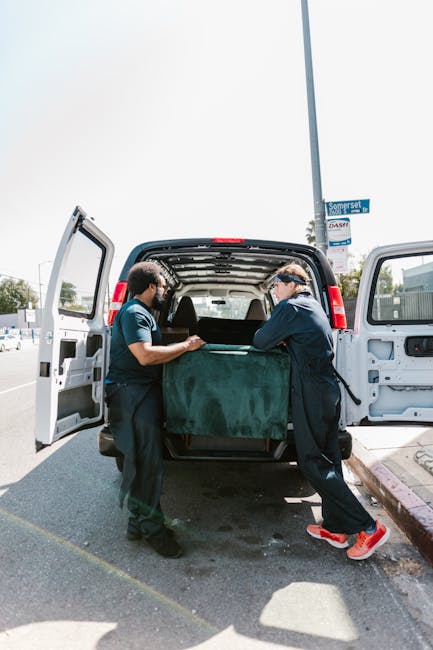
Man With Van Surrey for home and business moves

Need a man with van in Surrey for furniture, household items or light business transport? We provide a practical moving service for customers who want items collected, carried and delivered with care. The work can suit single pieces, part-loads, small flats, student moves and straightforward office transport, with the emphasis on sensible handling rather than unnecessary complexity. If you need a tidy way to move goods across town or further afield, this service is built around that task.
Our approach is straightforward: load the agreed items, secure them properly in the van and take them to the destination in an organised way. That makes the service useful when a full lorry is more than you need, but a small vehicle would not be enough. We can also support moves that involve awkward furniture, boxed belongings, appliances or office equipment, provided the job is suitable for van-based transport and arranged in advance.
For a clear starting point, take a look at our man and van service if you want a compact moving option, or read about removal services when you are comparing broader moving support. If your request is mainly about cost planning, the pricing and quotes page is a useful place to begin. You can also ask for a quotation once you know what needs moving.
What this moving service covers
Our van-based removals can cover a wide range of everyday moving tasks. Some customers need one bulky item collected from a seller and taken home. Others want several rooms’ worth of belongings shifted without the scale of a full house removal. We focus on the physical movement of goods, loading assistance and delivery, which keeps the service flexible for different property sizes and item types.
Because the job is tailored to the load, the service can work well for beds, wardrobes, sofas, tables, boxes, white goods and mixed household contents. It can also suit local transport for stock, archived files, trade tools or office furniture. Where the items are heavy, narrow, fragile or difficult to stack, planning matters: correct lifting, sensible packing order and decent use of the van space help keep the move efficient and controlled.
Typical reasons people use a van move
A van move is often chosen when the task sits between a courier and a large removal crew. It can be a practical option for:
- single-item furniture deliveries
- part-load household moves
- student moves and small flat moves
- collections from storage units or retailers
- light office or business transport
Household removals with a compact vehicle

Household moving work is rarely the same from one customer to the next, so a good van service should be flexible. Some people only need the largest items moved, while others want a modest house or flat relocation handled in one trip or a small number of trips. Our service can be shaped around the amount of furniture, the size of the property and the access at each end, which helps keep the move proportionate to the job.
For domestic moves, the important questions are usually about volume and access. Stairways, lift use, parking distance and the need to carry items through shared entrances can all influence how a move is organised. We keep the process practical by matching the vehicle and loading plan to the load, rather than treating every move as identical. That is especially useful where a customer is moving only part of a home, or needs selected rooms cleared and delivered elsewhere.
If your move is a complete or near-complete property relocation, you may want to compare home moves, house removals and house movers to see which description best fits the scale of the work. For smaller domestic transport, the removals van page can also help if you are looking at a vehicle-led solution rather than a larger crew.
Furniture, appliances and item-by-item collections
One of the most common reasons to book a man with van service is the movement of specific items that are too large for a car but not enough to justify a specialist haulage arrangement. Furniture collection, second-hand purchases, appliance drops and careful delivery of individual pieces can all fit this pattern. The main requirement is that the item can be loaded safely, transported securely and unloaded with appropriate care at the destination.
With furniture, the details matter. A wardrobe may be simple in theory but awkward in practice if it needs dismantling, carries mirrored panels or has to pass through a narrow hallway. Sofas, desks and beds each come with different handling concerns. We plan around size, weight and fragility so the load can be arranged logically in the van and protected from unnecessary movement during transit. This keeps the focus on practical handling rather than forcing the item into a one-size-fits-all process.
Useful details to have ready
When you ask about furniture or item collections, these points help make the estimate more accurate:
- the number of items and what they are
- whether anything needs dismantling
- the collection and delivery postcodes
- access issues such as stairs, parking or restrictions
- whether help is needed with loading and unloading
Office removals and business transport
Van-based moving work is not only for homes. Many businesses need a straightforward way to move desks, chairs, filing, stock or equipment between premises, storage and temporary locations. We can support small office relocations and other commercial moves where the load is suitable for van transport and where keeping disruption under control is more important than using a full-scale removals operation.
Business moves often need a tidy sequence. Items may have to be separated by department, labelled by room or checked against a list so they arrive in the right order. That is especially helpful with office furniture, boxed records, display equipment or light stock movement. Careful loading also matters because business items often include a mix of shapes and surfaces, from monitors and printers to shelving and modular furniture. A sensible plan reduces the chance of damage and makes unloading smoother.
For related commercial support, see commercial moves if you are relocating workplace items, or look at office removals and office relocation services where the task is more specifically business focused. If your job is mainly the safe carrying of furnishings rather than an entire workplace move, the broader movers page may also be relevant.
Planning the load and preparing the move

A well-planned van move is usually quicker, tidier and easier to manage. The best preparation is to identify what is moving, what stays behind and whether any pieces need to be separated before collection. That might mean emptying drawers, removing loose fittings or grouping boxes by room so the load can be built in a sensible order. The more clearly the job is defined, the easier it is to estimate vehicle space and handling requirements.
It is also useful to think about access at both ends. If parking is limited, if there are stairs, or if the item needs to be carried a long way from the van, that changes how the move is arranged. Good planning does not need to be complicated, but it should be specific. A few accurate details are far more helpful than a vague description, especially when the move includes furniture with unusual dimensions or delicate surfaces. Practical preparation keeps the service efficient without asking you to overcomplicate the job.
When you are ready, it is sensible to request a quotation based on the actual items and the route involved. If you need broader support than a standard van move, you can also compare removals and removal company information to see how the service is described across the site. For a more transport-focused option, moving van and moving truck pages may help you judge the right vehicle size.
About Surrey
Surrey is a county in the South East of England with a varied landscape that stretches from the outer edge of London to the North Downs and the wooded High Weald in the south-west. Its geography gives it a strong contrast between urban centres, commuter towns, market settlements and open countryside. Guildford, with its castle keep and historic high street, is one of the best-known county towns, while places such as Woking, Epsom, Reigate and Farnham each bring their own civic identities and built character. The county includes sections of the Thames, as well as rivers such as the Wey, Mole and Tillingbourne, all of which have shaped settlement and movement through the area over time. Surrey’s transport history is also significant: railways developed early in the Victorian period and helped turn several towns into important residential and commercial centres. The county’s architectural mix includes medieval churches, Georgian terraces, Victorian civic buildings and substantial twentieth-century housing growth, especially around London-bound routes. Green spaces remain a major feature, from Richmond Park’s edge in the north-east to Box Hill, Painshill, Frensham and the Surrey Hills Area of Outstanding Natural Beauty. Cultural life is equally varied, with theatres, historic houses, county museums and annual events spread across the boroughs and districts. As a whole, Surrey combines densely settled corridors with protected landscapes, making it a place where historic towns and open countryside sit unusually close together.
Packing support and careful handling
Some moving jobs need more than transport alone. Boxes may need arranging so heavier items stay low, fragile items remain protected and furniture is secured against shifting during the journey. Where packing and unpacking is part of the arrangement, the aim is not to overdo it but to make the load manageable and the unloading sequence logical. This is especially relevant when a customer is moving mixed household contents, office items or a combination of furniture and smaller packed goods.
We can also support packing and unpacking services where that is appropriate to the move. That can be helpful if the customer wants help making items ready for transit, or wants boxes organised at the destination rather than being left in one place. Good packing is less about filling every box and more about using the right containers and protecting the items that most need it. It is a practical extension of the moving service, not a separate layer of fuss.
For more general enquiries about how a job is handled, the contact us page can be used to request a quotation. If you are still deciding whether the move is best described as removals, van transport or a furniture collection, a short outline of the items and locations is usually enough to start the conversation.
Costs, timing and what affects a quotation

Quotation details are usually shaped by a small number of practical factors rather than a fixed formula. The main ones are the number and type of items, the distance travelled, the amount of loading support required and any access difficulties that might add time to the job. If the move includes dismantling, multiple stops or waiting time, that should also be clear from the start so the plan reflects the real work involved. This keeps the quote grounded in the actual task.
It is often helpful to separate the move into its parts: collection, loading, transport and delivery. That gives a clearer picture of what is involved and makes it easier to match the service to the right page or enquiry route. Where a job is simple, you may only need a compact vehicle and a short moving window. Where it is more involved, a more detailed discussion is sensible so the load, access and timing are all understood before anything is booked. You should ask for a quotation once those basics are known.
For comparison, you may also want to review removal van, man with a van and man and van removals pages, as they cover closely related van-led services. If the moving job is only a small part of a bigger relocation, those pages can help you judge whether a broader removal service or a compact transport option is the better fit.
Choosing the right moving option
Not every job needs the same scale of support, so choosing the right option starts with understanding the load. A man with van arrangement can be ideal where the task is practical, direct and relatively contained. Larger or more complicated moves may be better matched to a fuller removal service. The value in the service is that it sits comfortably between simple delivery and a major move, giving customers a sensible middle ground for a broad range of everyday transport needs.
If you are comparing services, the useful question is not simply which one sounds biggest, but which one fits the items, access and distance involved. A compact van can be the right choice for a few key pieces, a moderate flat move or business transport with manageable volume. A more expansive service is better where there are many rooms, a larger property or a broader set of tasks to coordinate. The right choice keeps the process efficient and avoids paying for capacity you do not need.
For customers ready to proceed, the final step is straightforward: choose the page that best matches the job, then request a quotation. If you only need a quick overview first, the about us page can give general company information, while removals near me may help if you are comparing local service wording. When the move is defined, a clear enquiry is the best way to move it forward.