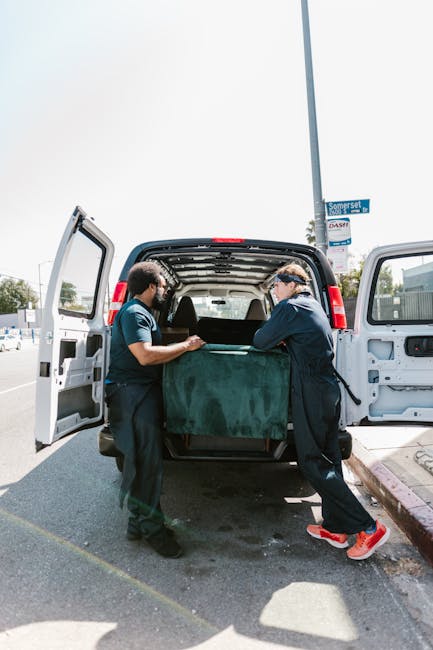
Box Hill to Dorking Removals Insider Tips for Surrey
Moving from Box Hill to Dorking sounds simple on paper. It is a short hop across Surrey, after all. But ask anyone who has done it on a wet Friday afternoon with a sofa that will not fit round the stairwell, and they will tell you the real story is in the details. These Box Hill to Dorking removals insider tips for Surrey are written to help you avoid the usual stress points: awkward access, tight timing, parking headaches, fragile items, and that last-minute panic where you suddenly remember the kettle is still plugged in.
This guide pulls together the practical things people tend to learn the hard way. You will find local planning advice, packing ideas, timing tips, and a few common-sense tricks that make a small move feel a lot more controlled. If you are comparing options, you may also want to look at removals and the broader range of removal services available in Surrey.
Let's get into it.
Table of Contents
- Why Box Hill to Dorking removals insider tips for Surrey Matters
- How Box Hill to Dorking removals insider tips for Surrey Works
- Key Benefits and Practical Advantages
- Who This Is For and When It Makes Sense
- Step-by-Step Guidance
- Expert Tips for Better Results
- Common Mistakes to Avoid
- Tools, Resources and Recommendations
- Law, Compliance, Standards, or Best Practice
- Options, Methods, or Comparison Table
- Case Study or Real-World Example
- Practical Checklist
- Conclusion
- Frequently Asked Questions
Why Box Hill to Dorking removals insider tips for Surrey Matters
On a map, Box Hill and Dorking look close. That can tempt people into under-planning the move. But short local removals often come with a sneaky amount of complexity. You may be moving from a hillier road with limited turning space, narrow lanes, or difficult loading points into a town centre location where parking and access need a bit of thought. Surrey is beautiful. It is also not always easy for vans.
The point of these insider tips is to help you see the move as a logistics job, not just a transport job. A good move is not only about getting items from A to B. It is about getting them out safely, keeping the day calm, and avoiding costs caused by delays or repeat trips. That matters even more if you have furniture that is bulky, awkward, or sentimental. Nobody wants a family table scratched because the route was rushed.
There is another reason this route deserves attention: the move may be short, but the expectations are still high. You want professional handling, careful loading, and an arrival that does not leave you unpacking late into the evening. A planned local move often feels smoother than a long-distance one, but only if the prep is done properly. To be fair, that is true of most removals, but it becomes especially noticeable on shorter Surrey moves where every minute counts.
Expert summary: A short Box Hill to Dorking move can be the easiest kind of removal to manage, but only if access, parking, packing, and timing are thought through before moving day. The journey may be short; the consequences of poor planning are not.
How Box Hill to Dorking removals insider tips for Surrey Works
The process is straightforward in principle. First, you assess what needs to move. Then you decide how much help you need. After that, you organise packing, loading, transport, and unloading in a sequence that suits your property and schedule. Simple. In reality, the details around that sequence make all the difference.
A typical local removal between Box Hill and Dorking usually follows these stages:
- Survey the move list - note furniture size, number of boxes, fragile items, and anything awkward like bikes, mirrors, or garden equipment.
- Check access at both ends - think about steps, narrow driveways, shared entrances, parking restrictions, and where the van can safely stop.
- Choose the right transport - for smaller moves, a man with van setup may suit well; for bigger loads, a larger vehicle from the range of moving van options may be more practical.
- Pack by priority - day-one essentials should be easy to reach; seasonal or non-urgent items can be loaded deeper into the van.
- Load in the right order - heavy and sturdy items first, lighter and fragile items secured on top or in protected spaces.
- Transport and unload carefully - especially where stairs, door widths, or awkward corners are involved.
That sounds obvious, but the neat part is how much time it saves. A move that starts with a vague "we'll sort it on the day" approach often ends up with extra lifting, double handling, and a lot of shrugging. A more structured plan is calmer. It really is.
If you want a broader picture of moving support, the site's home moves and house removals pages are useful places to compare what kind of help fits a domestic relocation. For many customers, especially when the load is moderate, man and van arrangements strike a good balance between flexibility and cost control.
Key Benefits and Practical Advantages
There are a few clear reasons why local Surrey removals often work best when they are planned with a bit of insider know-how.
- Less wasted time - local knowledge reduces circling, parking confusion, and unnecessary return journeys.
- Better control of costs - when access and load size are understood early, it is easier to avoid overbooking or under-booking the vehicle.
- Lower stress on moving day - one of the biggest benefits, honestly. A well-run move feels quieter, even if the day is still busy.
- Reduced handling risk - fewer touches and fewer rushed lifts mean a lower chance of damage.
- Flexible timing - a short route can often be scheduled around school runs, work commitments, or handover times more easily than a long haul.
There is also a subtler advantage: local removal teams that regularly work in Surrey tend to recognise the kind of access issues that catch people out. For example, they know that a house with easy front-door access may still have a narrow internal staircase, or that a property with a drive may still have a tricky gate. That local awareness is worth a lot.
If the move includes heavier items, you may find the service pages for removal van and removal truck hire helpful for understanding the transport side. Not every move needs the biggest vehicle available. Sometimes smaller and smarter wins the day.
Who This Is For and When It Makes Sense
This kind of move is not just for one type of customer. In practice, it suits a lot of different situations.
- Small households moving from a flat, cottage, or compact family home.
- Renters who need to move on a tight turnaround between tenancies.
- Homeowners relocating within Surrey who want a low-drama local move.
- People with awkward items such as wardrobes, sofas, exercise equipment, or fragile mirrors.
- Anyone short on time who prefers practical support rather than doing every lift themselves.
It also makes sense when you are moving items in stages. Maybe you are not emptying a property in one go. Perhaps you are shifting boxes first, then furniture, then a final clean-up run. That is common, and it can be far more manageable than trying to make one huge move happen in a single afternoon.
A quick local example: someone moving from a hillside property near Box Hill may need extra care for access and loading, while the Dorking end may be easier on paper but still have limited parking or a narrow street. Different problem, same need for planning. If you are still comparing options, the wider removal company and removal companies pages can help you judge service style as well as transport size.
Step-by-Step Guidance
If you want the move to feel orderly rather than chaotic, use this approach. It is simple, but simple done well is often the secret.
1. Start with a realistic inventory
List the large items first, then fill in boxes, bags, and loose items. Be honest about things stored in cupboards, lofts, sheds, and under beds. Those hidden items always exist. They just turn up late and slightly sweaty, usually when you are already tired.
2. Measure the awkward stuff
Doorways, stairwells, tight hallways, and corner turns can make a piece of furniture behave very differently from what you expected. If a sofa already feels tight in the room, it may be a headache to move. Measure before moving day, not after the van arrives.
3. Match the vehicle to the load
A small move with a few rooms' worth of belongings may only need a modest van and careful loading. Larger family moves, office shifts, or moves with oversized furniture may need something more substantial. If you are unsure, speak with a provider early so the loading space matches the real job.
4. Pack the essentials separately
Keep keys, phone chargers, medication, cleaning items, tea bags, toiletries, and a change of clothes somewhere easy to reach. You do not want to unpack every box just to find the kettle lead. That little detail can make the evening feel much longer than it needs to.
5. Prepare access at both properties
Check where the van will park, whether any permits or permissions are needed, and whether neighbours should be informed if space is tight. If there are shared entrances or narrow drives, clear the way as much as possible. It sounds minor, but those few minutes matter.
6. Load in a sensible order
Start with the heaviest and sturdiest items. Protect edges with blankets or wraps where needed. Keep fragile items separated and clearly marked. A good loading plan is not glamorous, but it is one of the easiest ways to avoid damage.
7. Do a final walk-through
Before leaving, check cupboards, loft hatches, behind doors, under sinks, and outbuildings. People leave surprising things behind. One final check usually saves one annoying return trip.
For customers who want more hands-on help, packing and unpacking services can remove a lot of the pressure. And if the move is more about flexibility and light support, man with van removal may be the better fit.
Expert Tips for Better Results
These are the small things that often separate an okay move from a smooth one.
- Book the moving time around the property, not just your diary. If your parking is difficult at certain times, build around that.
- Use colour-coded labels. It makes unloading faster and cuts confusion. Bedroom boxes stay together, kitchen boxes stay together, and so on.
- Protect soft furnishings early. Mattresses, headboards, and upholstery are often damaged not by impact, but by grime and damp handling.
- Keep a screwdriver, tape, and scissors handy. You will almost certainly need them. Always. Funny how that works.
- Take photos of cable setups before disconnecting. Particularly useful for TVs, desktop workstations, and routers.
- Think about unloading sequence. Put beds, bedding, and basic kitchen items at the top of the list so you can function that night.
One more thing: if you are moving into a shared building or a home with stairs, ask in advance where the best drop-off point is. It may be a side entrance, a front bay, or a short temporary stopping area. Sorting that out before the van arrives saves a lot of awkwardness. You will notice the difference immediately.
For heavier or more delicate domestic moves, browsing the house movers, house removalists, and house removals pages can help you compare levels of support and decide what actually fits your day.
Common Mistakes to Avoid
Most moving headaches are predictable. That is the annoying part. The good news is that predictable problems are easier to prevent.
- Underestimating the volume - a few "extra" boxes can become a genuine issue if the vehicle is too small.
- Leaving packing too late - last-minute packing leads to poor labelling and broken habits, which leads to more stress.
- Ignoring access restrictions - tight roads, low branches, steep drives, and permit rules can all affect the job.
- Forgetting parking space - even a short move can go off-track if the van has nowhere sensible to stop.
- Packing fragile items loosely - a lamp, glass frame, or stack of crockery needs more than hope and newspaper.
- Not setting aside essentials - if your first-night bag is buried, the first evening becomes a mini expedition.
The other common mistake is assuming a short route needs less preparation. It does not. In some ways, local moves are more demanding because everything happens quickly and there is less room for delay. A van can be at the door in minutes, and if you are not ready, the whole rhythm slips.
That is why many people compare movers and removals near me options in advance rather than leaving it to a rushed phone call on the week of the move.
Tools, Resources and Recommendations
You do not need fancy gear for a good local removal, but a few basic tools make life much easier.
- Strong boxes in a range of sizes.
- Packing tape and a proper tape dispenser.
- Marker pens for clear labelling.
- Furniture covers or blankets to reduce scuffs.
- Bubble wrap or paper wrap for fragile pieces.
- Basic toolkit for dismantling beds, tables, or shelves.
- Phone photos of electronics, shelves, and room layouts.
- A small overnight bag with the things you will actually need first.
In practical terms, the most useful resource is a clear quote process. A well-structured estimate should reflect access, load size, transport needs, and any packing support. If you want to compare that side of things properly, the pricing and quotes page is a sensible place to start. For payment confidence and peace of mind, the payment and security page is also worth a look.
If sustainability matters to you, it is also worth checking how unwanted items are handled. A careful move often creates a chance to recycle, rehome, or reduce clutter. The site's recycling and sustainability information is a useful reminder that not everything has to end up in landfill. Quite the opposite, really.
Law, Compliance, Standards, or Best Practice
For most domestic moves, the big compliance considerations are practical rather than legal. You still need to think about safe lifting, suitable vehicles, secure loading, and clear communication. If you are arranging professional help, it is sensible to understand how the provider approaches insurance, safety, and complaints handling.
In the UK, moving companies are generally expected to operate with proper care, clear terms, and a responsible attitude to property handling. Exact requirements vary depending on the job, but best practice usually includes:
- safe manual handling and sensible lifting techniques,
- proper vehicle loading and load restraint,
- transparent pricing and terms,
- reasonable insurance arrangements,
- clear customer communication before and during the move.
If you are comparing providers, it is sensible to review health and safety policy, insurance and safety, and terms and conditions information before you book. That is not being fussy; it is just good judgement. The same applies to customer resolution processes, so the complaints procedure page matters too, especially if you want to know how issues are handled.
For business customers or mixed-use properties, you may also want to understand how larger relocations are handled. The commercial moves and office removals pages are useful for that broader perspective. Even if your own move is residential, they show the standard of planning that good movers should bring to the job.
Options, Methods, or Comparison Table
Choosing the right moving method usually comes down to scale, access, and how much work you want to take on yourself. Here is a simple comparison.
| Option | Best for | Advantages | Watch-outs |
|---|---|---|---|
| Man and van | Small to medium local moves | Flexible, often cost-effective, good for short routes | May be tight for large furniture or multiple rooms |
| Dedicated removal van | Moves with moderate furniture and boxed items | Better load control, often more organised | Needs accurate load planning |
| Removal truck hire | Larger household or business loads | More space, fewer trips | Can be overkill for compact Surrey moves |
| Full removal service | Busy households, fragile items, or time-sensitive moves | More hands, less personal lifting, smoother process | Usually the most involved option to arrange |
There is no single correct answer. A one-bedroom flat moving a short distance may be perfectly served by a smaller setup, while a family home with awkward furniture may be happier with a fuller service. The trick is matching the method to the actual job, not the job you wish you had.
For vehicle-related comparisons, you can also review moving truck, removal van, and removals van pages. That can help you avoid paying for more capacity than you need, which people do all the time. No shame in it, but still worth avoiding.
Case Study or Real-World Example
Here is a realistic example from a typical Surrey-style local move.
A couple moving from a property near Box Hill had a short list: a bed frame, mattress, two sofas, a dining table, a chest of drawers, several boxes, and a few awkward extras like mirrors, a lamp, and garden bits. Nothing dramatic. But access at the old place was the real issue. The driveway was narrow, the turning space was limited, and one sofa had to come down a staircase with a tight landing. The Dorking property had easier access, but parking was not ideal.
The move worked because the planning was specific rather than generic. Items were measured in advance, the loading order was agreed beforehand, and fragile pieces were packed separately. The first boxes unloaded at the new place contained bedding, kettle, mugs, and basic cleaning bits. That meant the couple could breathe, make tea, and not spend the first evening rummaging through a sea of cardboard. A tiny thing, but it changes the mood of the day.
The lesson? Even short Surrey removals benefit from a proper plan. Not because the job is difficult in theory, but because real houses are full of little complications. One awkward staircase, one poorly timed arrival, one unlabelled box. That is usually where the stress begins.
Practical Checklist
Use this checklist before moving day. It is the kind of list that saves nerves later.
- Inventory completed for furniture, boxes, and awkward items
- Doorways, stairs, and tight access points checked
- Parking or stopping space confirmed at both properties
- Vehicle size matched to the actual load
- Boxes labelled by room and priority
- Fragile items packed and clearly marked
- Essentials bag packed separately
- Furniture dismantled where needed
- Cleaning materials and basic tools kept handy
- Keys, documents, and chargers kept accessible
- Old property checked room by room before departure
- New property ready for first-night essentials
If you want a more service-led move, it can also be worth looking at removal services alongside the broader man and van removals offering. The best choice is the one that fits your load, timing, and stress level. Simple as that.
Conclusion
Box Hill to Dorking removals do not need to be complicated, but they do reward people who plan properly. The route is short, the Surrey setting is beautiful, and the move itself can feel surprisingly easy if you handle access, packing, timing, and transport with care. Skip the guesswork where you can. Measure the awkward items, keep the essentials close, and choose the right level of support for the job.
The best local move is rarely the fanciest one. It is the one that feels calm, organised, and finished without drama. That is the real insider tip, if we are being honest.
Get a free quote today and see how much you can save.
And if you are still in the planning stage, take your time with it. A thoughtful move tends to set the tone for the next chapter. That part matters more than people think.
Frequently Asked Questions
How long does a Box Hill to Dorking removal usually take?
For a local Surrey move, the drive itself is short, but the total time depends on access, load size, parking, and how much needs to be dismantled or reassembled. The moving part may be quick; the lifting and loading are what take the time.
Is a man and van service suitable for this route?
Often, yes. For smaller household moves or partial loads, a man and van setup can be a practical option. It is especially useful when you want flexibility without arranging a larger team than you need.
What should I do if parking is difficult at either property?
Check parking arrangements early, and if needed, speak to neighbours, landlords, or property managers in advance. Short local removals can stall quickly if the van has nowhere sensible to stop, so this one detail is worth sorting out properly.
Do I need packing help for a small local move?
Not always, but it can be a smart choice if you are short on time, have fragile items, or simply do not want to spend evenings surrounded by tape and cardboard. The packing and unpacking services option is useful for exactly that kind of situation.
What is the best way to protect furniture during a short move?
Use blankets, covers, and secure wrapping for edges and surfaces. Even a short journey can cause marks if items rub against each other in transit. Damage often happens during loading and unloading, not just while driving.
Should I dismantle furniture before moving day?
If a bed, table, or wardrobe will not comfortably pass through doors or stair turns, dismantling it in advance usually makes the move smoother. Keep all screws and fittings in labelled bags so you are not hunting for them later.
How do I know whether I need a removal van or a larger truck?
Think about volume, not just item count. One large sofa can take more planning than several boxes. If you are unsure, review removal van and removal truck hire options and compare the space you actually need.
What are the most common mistakes on local Surrey moves?
The biggest ones are underestimating load size, leaving packing too late, ignoring parking, and failing to keep essentials separate. Those problems sound small until they stack up on moving day. Then they are not small anymore.
Can I move some items first and the rest later?
Yes, and many people do. Staged moves are common when handover times are tight or when you want to clear the property gradually. Just make sure each stage is planned, labelled, and loaded sensibly.
What should I check before booking a removal company?
Look at the company's service range, pricing approach, safety information, insurance details, and terms. The about us, insurance and safety, and pricing and quotes pages are sensible places to start if you want a clearer picture before deciding.
Is it worth choosing a local Surrey mover for this job?
Usually, yes. Local movers often understand the roads, access quirks, and timing challenges better than someone unfamiliar with the area. That can make a real difference, especially on a route where the distance is short but the logistics still matter.
What if I have a complaint or issue after the move?
Read the provider's complaints information before booking so you know how concerns are handled. A clear process is a good sign, and it gives you peace of mind if something needs following up.
Are there any useful pages to compare before I book?
Yes. Depending on your move, it can help to compare removals, movers, and home moves to get a better sense of what level of support suits your situation.